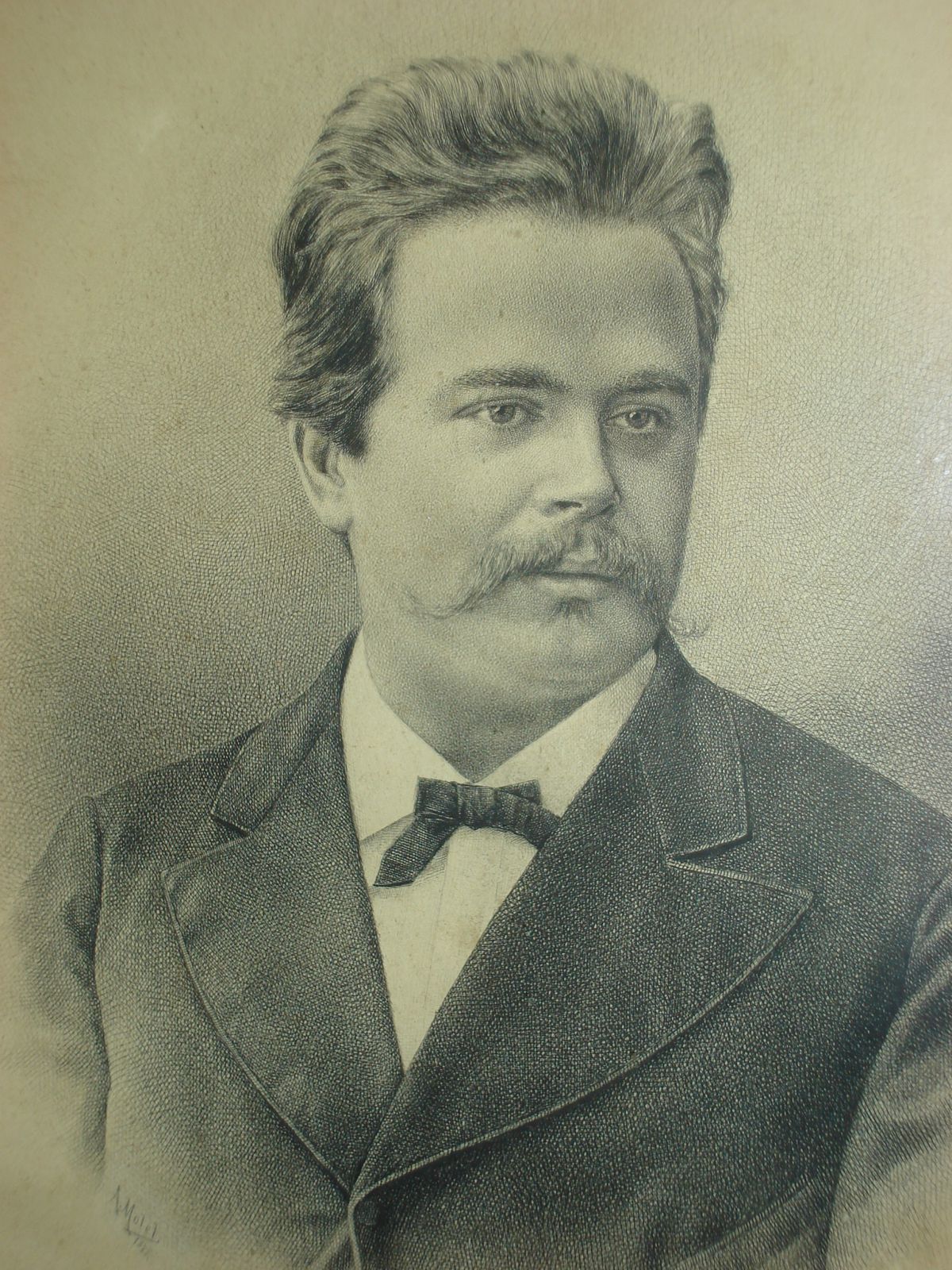
Milutin Bojić
Portraits
← Older revision
Revision as of 23:56, 26 March 2013
Line 23:
Line 23:
Milutin Bojic served in the first (1912) and second (1913) Balkan wars and continued in the military until the First World War broke out in 1914.During this third period he was a military mail censor and participated in the retreat of the Serbian Armed Forces in the winter of 1915-1916.
Milutin Bojic served in the first (1912) and second (1913) Balkan wars and continued in the military until the First World War broke out in 1914.During this third period he was a military mail censor and participated in the retreat of the Serbian Armed Forces in the winter of 1915-1916.
−
Bojic was one of the promising poets of Serbia, according to literary critic Jovan Skerlic, who described the generation: "With the war eating away the nation's youth, Serbian literature, like the Serbian nation, was bled almost to death." After the Serbian army's retreat through Albania (World War I) in winter of 1915-1916, the survivors who reached the Adriatic coast were transported to Corfu by French, Italian and other allied ships. Here and in the neighbouring island of Vido many of them died of diseases contracted while trecking across the treacherous, snow-covered, rocky mountains. They were buried at sea.
+
Bojic was one of the promising poets of Serbia, according to literary critic Jovan Skerlic, who described the generation: "With the war eating away the nation's youth, Serbian literature, like the Serbian nation, was bled almost to death." After the Serbian army's retreat through Albania (World War I) in winter of 1915-1916, the survivors who reached the Adriatic coast were transported to Corfu by French, Italian and other allied ships. Here and in the neighbouring island of Vido many of them died of diseases contracted after trecking across the treacherous, snow-covered, rocky mountains. They were buried at sea.
Bojic survived the Serbian army's retreat through Montenegro and Albania and the desperation of Corfu,and proved his worth as a poet a year or more before his untimely death. Many of his poems were written while he was recuperating in the hospital. And yet in the end, he succumbed to tuberculosis in Thessaloniki. "Our church bells toll dead instead of hours," he wrote of seeing his countrymen dying around him. At the time of the retreat Bojic had been working on an epic poem, "Cain", in which he compared Bulgaria's attack on Serbia to the biblical Cain's attack on his brother, Abel. The poem was one of the few things that he carried with him in his knapsack as he made his journey over the Albanian mountains. Upon arriving at the Adriatic seashore only to see his fellow Serbs being thrown out to the sea for burial, he penned one of the most moving war poems of his generation: Ode to a Blue Sea Tomb or better known as Plava Grobnica (simply translated Blue Graveyard).
Bojic survived the Serbian army's retreat through Montenegro and Albania and the desperation of Corfu,and proved his worth as a poet a year or more before his untimely death. Many of his poems were written while he was recuperating in the hospital. And yet in the end, he succumbed to tuberculosis in Thessaloniki. "Our church bells toll dead instead of hours," he wrote of seeing his countrymen dying around him. At the time of the retreat Bojic had been working on an epic poem, "Cain", in which he compared Bulgaria's attack on Serbia to the biblical Cain's attack on his brother, Abel. The poem was one of the few things that he carried with him in his knapsack as he made his journey over the Albanian mountains. Upon arriving at the Adriatic seashore only to see his fellow Serbs being thrown out to the sea for burial, he penned one of the most moving war poems of his generation: Ode to a Blue Sea Tomb or better known as Plava Grobnica (simply translated Blue Graveyard).
http://commons.wikimedia.org/w/index.php?title=Milutin_Boji%C4%87&diff=93336526&oldid=93336475


/image%2F0119748%2F20140527%2Fob_5bc3f3_alfred-molet-timbre-postal-01.JPG)
/https%3A%2F%2Fassets.over-blog.com%2Ft%2Fcedistic%2Fcamera.png)
/image%2F0119748%2F20140527%2Fob_49a920_alfred-molet-timbre-postal-01.JPG)
/image%2F0119748%2F20140511%2Fob_63b87d_carte-02.jpg)