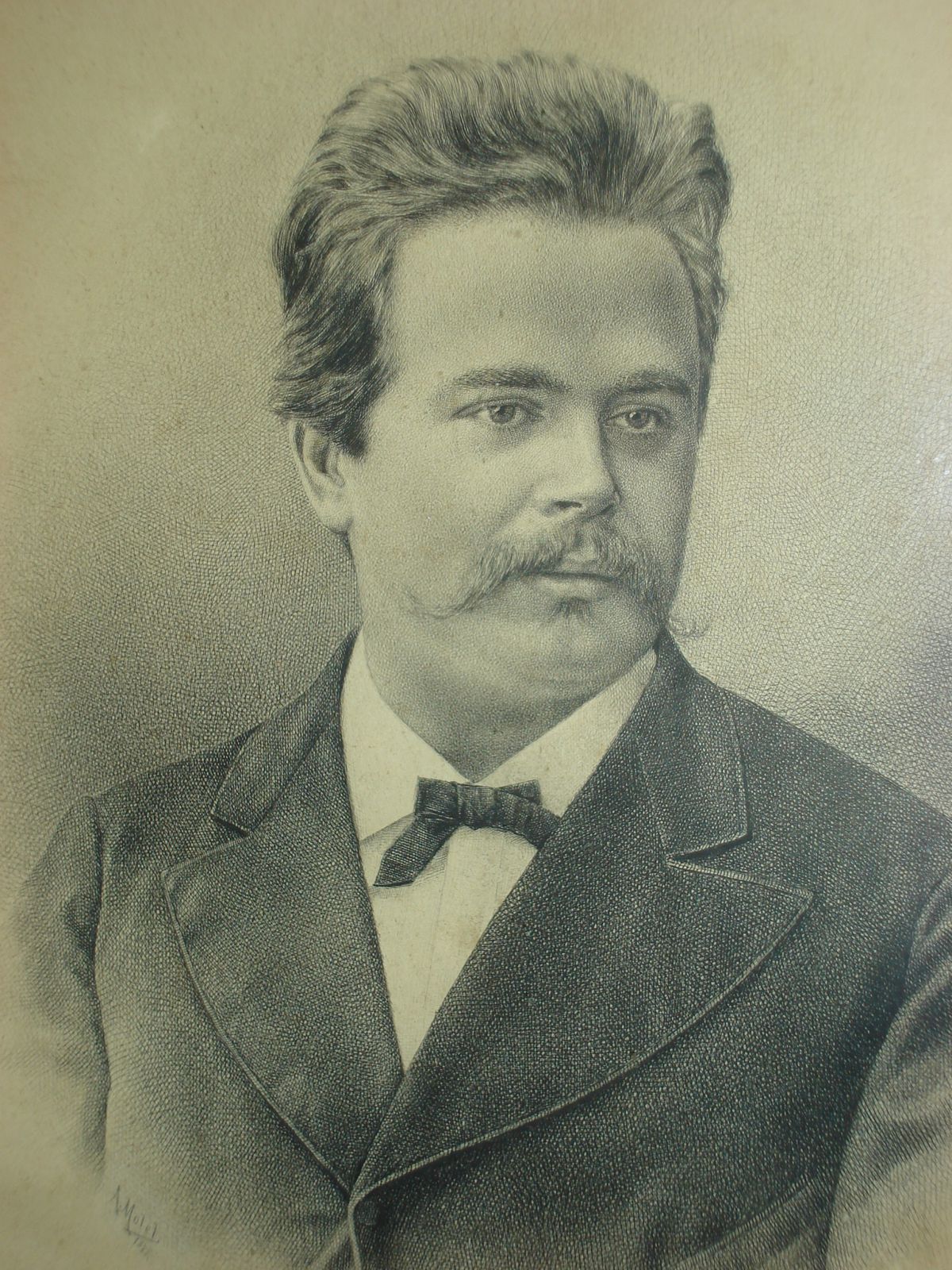
Milutin Bojić
Portraits
← Older revision
Revision as of 22:06, 30 March 2013
Line 21:
Line 21:
Milutin Bojic is the most famous of the many Serbian writers, poets and painters to die in World War I. In his brief life he wrote works that reflect two major themes: the Serbs' powerful national pride and their agony during the disasterous war. Even more so than his plays and epics, the war lyrics in "Pesme bola i ponosa" (Poems of Pain and Pride), published in 1917 in Thessaloniki, made him a popular war poet. His personal suffering seemed to embody Serbian history at that juncture of greatness and disaster.
Milutin Bojic is the most famous of the many Serbian writers, poets and painters to die in World War I. In his brief life he wrote works that reflect two major themes: the Serbs' powerful national pride and their agony during the disasterous war. Even more so than his plays and epics, the war lyrics in "Pesme bola i ponosa" (Poems of Pain and Pride), published in 1917 in Thessaloniki, made him a popular war poet. His personal suffering seemed to embody Serbian history at that juncture of greatness and disaster.
−
Milutin Bojic served in the Balkan wars of 1912 and 1913 and First World War, first as a war correspondent of "Pijement", a daily newspaper published from 1911 to 1915, and then he became a soldier. During this third period he served as a military mail censor and participated in the retreat of the Serbian Armed Forces in the winter of 1915-1916.
+
Milutin Bojic served in the Balkan wars of 1912 and 1913 and First World War, first as a war correspondent of "Pijement", a daily newspaper published from 1911 to 1915, and at the outbreak of [[World War I]] he joined the army. During this period he served as a military mail censor and participated in the retreat of the Serbian Armed Forces in the winter of 1915-1916.
Bojic was one of the promising poets of Serbia, according to literary critic Jovan Skerlic, who described the generation: "With the war eating away the nation's youth, Serbian literature, like the Serbian nation, was bled almost to death." After the Serbian army's retreat through Albania (World War I) in winter of 1915-1916, the survivors who reached the Adriatic coast were transported to Corfu by French, Italian and other allied ships. Here and in the neighbouring island of Vido many of them died of diseases contracted after trecking across the treacherous, snow-covered, rocky mountains. They were buried at sea.
Bojic was one of the promising poets of Serbia, according to literary critic Jovan Skerlic, who described the generation: "With the war eating away the nation's youth, Serbian literature, like the Serbian nation, was bled almost to death." After the Serbian army's retreat through Albania (World War I) in winter of 1915-1916, the survivors who reached the Adriatic coast were transported to Corfu by French, Italian and other allied ships. Here and in the neighbouring island of Vido many of them died of diseases contracted after trecking across the treacherous, snow-covered, rocky mountains. They were buried at sea.
https://commons.wikimedia.org/w/index.php?title=Milutin_Boji%C4%87&diff=93627740&oldid=93627597


/image%2F0119748%2F20140527%2Fob_5bc3f3_alfred-molet-timbre-postal-01.JPG)
/https%3A%2F%2Fassets.over-blog.com%2Ft%2Fcedistic%2Fcamera.png)
/image%2F0119748%2F20140527%2Fob_49a920_alfred-molet-timbre-postal-01.JPG)
/image%2F0119748%2F20140511%2Fob_63b87d_carte-02.jpg)