Commons:Village pump/Copyright
What resolution passes on this one, opinions?
← Older revision
Revision as of 02:07, 31 March 2013
Line 239:
Line 239:
:::If it is truly NOT a derivative work (see Jim Woodward's comment above), then it does not matter how good the resolution is. However no amount of shrinking can make a derivative work non-derivative. [[User:Dankarl|Dankarl]] ([[User talk:Dankarl|talk]]) 23:00, 30 March 2013 (UTC)
:::If it is truly NOT a derivative work (see Jim Woodward's comment above), then it does not matter how good the resolution is. However no amount of shrinking can make a derivative work non-derivative. [[User:Dankarl|Dankarl]] ([[User talk:Dankarl|talk]]) 23:00, 30 March 2013 (UTC)
::::Not a logical argument, a 1 pixel square image can't have copyright, period. But please feel free to take the [[:File:Redacted hot air festival.png]] sourcing as literal :) there is a point where the cry copyright argument becomes meaningless. [[User:Penyulap|'''Penyulap''']][[User talk:Penyulap| ☏]] 23:24, 30 March 2013 (UTC)
::::Not a logical argument, a 1 pixel square image can't have copyright, period. But please feel free to take the [[:File:Redacted hot air festival.png]] sourcing as literal :) there is a point where the cry copyright argument becomes meaningless. [[User:Penyulap|'''Penyulap''']][[User talk:Penyulap| ☏]] 23:24, 30 March 2013 (UTC)
+
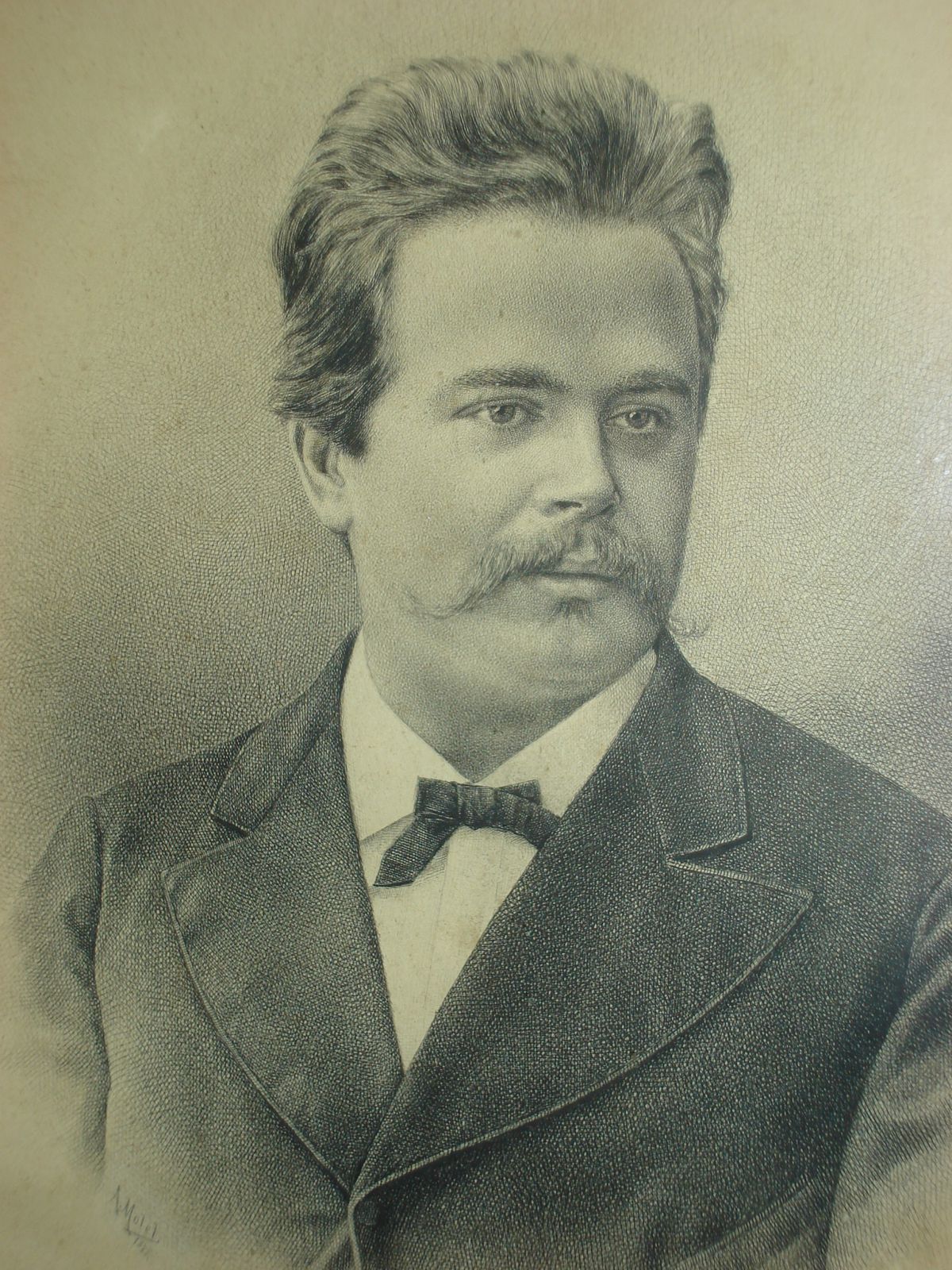
::::: If you scale it down so that the photographer's expression is no longer present, then yes it's OK. But that's likely to be so small as to be useless. Be aware that "transformative" is often taken as to ''purpose'', not necessarily form -- the Obama "Hope" poster looks dramatically different and gives a very different feel, but in the end they are both depictions of a person, so basically the same purpose, and it was not fair use. On the other hand, parody very much transforms the nature of the use -- that is generally more what is deemed transformative. The Swedish painting above would be an interesting case -- it is used to depict the person in part but the focus seems quite a bit different. It would probably be a derivative work but would stand a much better chance at fair use. There was one U.S. case where an artist cut the legs out of model photos from magazines (thus using copyrighted photos) but then arranged them in a completely separate work of art and was sued by the photographs' copyright owners; that was deemed fair use (or perhaps de minimis) since it was relatively small, more irrelevant part of the original photos which were used and the use was very much transformative. As for the photo you linked.... oof. I'd have pretty strong reservations as that very much appears to be the source. If all you did was to apply a set of image transformations to it, then it would be even more likely. Much better to at least draw it with your own hand. Most of the time, copyright law is not a bunch of technicalities where you can find loopholes -- if it "feels" wrong a judge would probably find cause to rule that way. [[User:Clindberg|Carl Lindberg]] ([[User talk:Clindberg|talk]]) 02:07, 31 March 2013 (UTC)
== How /when to enter scanned file of written permission by author to upload ==
== How /when to enter scanned file of written permission by author to upload ==


/image%2F0119748%2F20140527%2Fob_5bc3f3_alfred-molet-timbre-postal-01.JPG)
/https%3A%2F%2Fassets.over-blog.com%2Ft%2Fcedistic%2Fcamera.png)
/image%2F0119748%2F20140527%2Fob_49a920_alfred-molet-timbre-postal-01.JPG)
/image%2F0119748%2F20140511%2Fob_63b87d_carte-02.jpg)