Category:Courvoisier Collection Butterflies
The Courvoisier Butterfly Collection
← Older revision
Revision as of 10:24, 27 March 2013
Line 1:
Line 1:
==The Courvoisier Butterfly Collection==
==The Courvoisier Butterfly Collection==
−
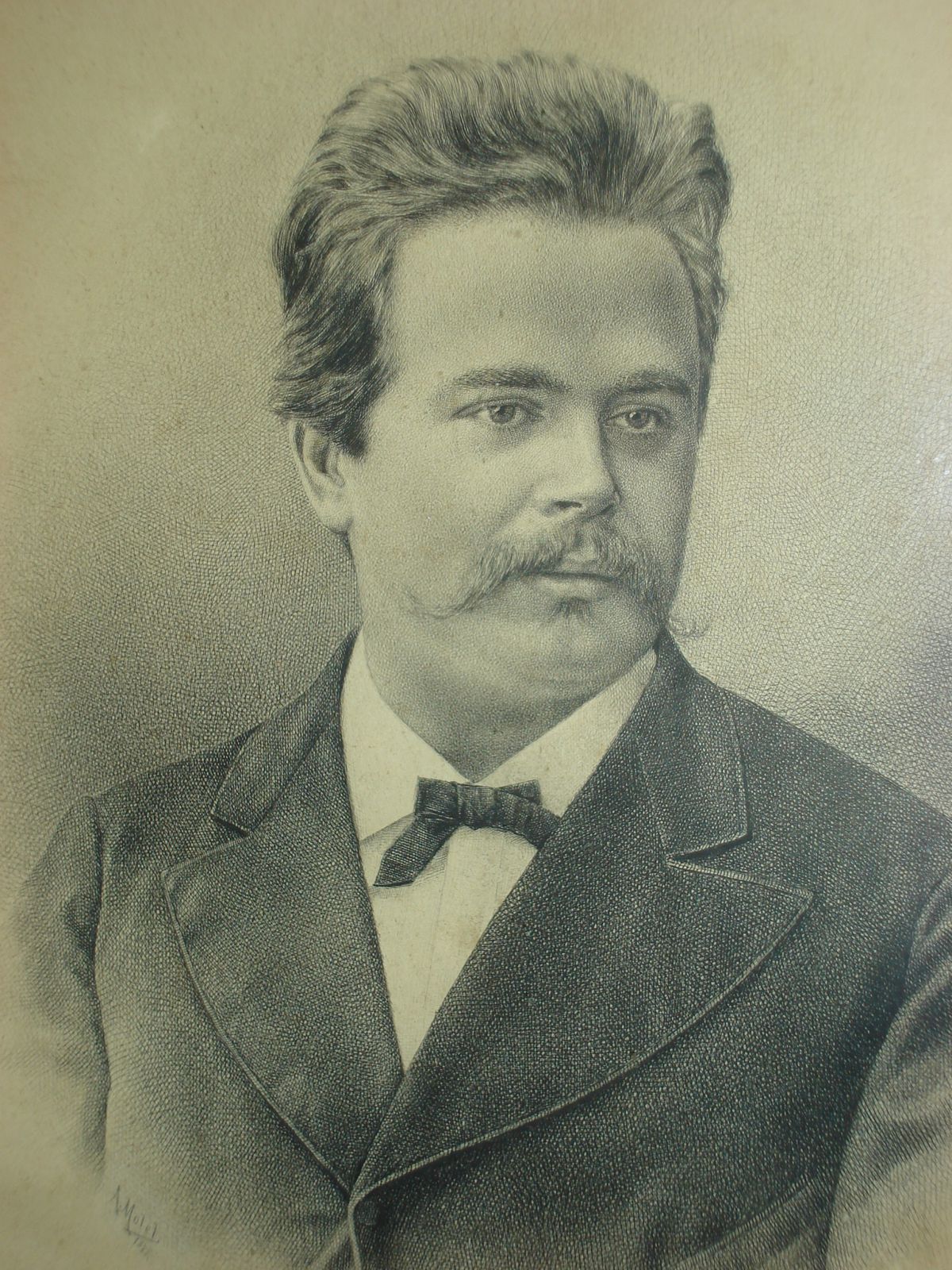
Ludwig Courvoisier was born in Basle, Switzerland in 1843. At the age of seven his father developed pulmonary tuberculosis and the family moved to Malta where his maternal grandparents lived. On the island he learned to speak fluent English and developed an interest in botany and butterflies. He completed his schooling on Malta. His early undergraduate years were spent at the University of Gottingen before he returned to Basle to graduate in 1868. Soon after qualification, at the age of 25, he was chosen by Professor Socin to be his assistant. Socin was one of the first continental surgeons to adopt antiseptic techniques. At the end of his assistantship he visited London and studied under Sir William Fergusson and Sir Spencer Wells. During the Franco-Prussian war Courvoisier served in a military hospital in Karlsruhe before returning to Basle. Soon after his return to Switzerland, he was elected as surgeon to a hospital in Riechen, a small town approximately 5 miles north of Basle. Despite working in such a small hospital his reputation grew and in 1888 the University of Basle recognised his achievements by appointing him Professor of Surgery Extraordinary.
+
Ludwig Courvoisier was born in Basle, Switzerland in 1843. At the age of seven his father developed pulmonary tuberculosis and the family moved to Malta where his maternal grandparents lived. On the island he learned to speak fluent English and developed an interest in botany and butterflies. He completed his schooling on Malta. His early undergraduate years were spent at the University of Gottingen before he returned to Basle to graduate in 1868. Soon after qualification, at the age of 25, he was chosen by Professor Socin to be his assistant. Socin was one of the first continental surgeons to adopt antiseptic techniques. At the end of his assistantship he visited London and studied under Sir William Fergusson and Sir Spencer Wells. During the Franco-Prussian war Courvoisier served in a military hospital in Karlsruhe before returning to Basle. Soon after his return to Switzerland, he was elected as surgeon to a hospital in Riehen, a small town approximately 5 miles north of Basle. Despite working in such a small hospital his reputation grew and in 1888 the University of Basle recognised his achievements by appointing him Professor of Surgery Extraordinary.
Courvoisier's most important work concerned surgery to the biliary tract. It was he who developed the operation of cholecystectomy and he was one of the first surgeons to remove a stone from the common bile duct. The well known 'Courvoisier's law' is named after him stating that 'if in the presence of jaundice the gallbladder is palpable, then the jaundice is unlikely to be due to a stone.' This was first proposed by him in his book 'The pathology and surgery of the gallbladder' published in Leipzig in 1890.
Courvoisier's most important work concerned surgery to the biliary tract. It was he who developed the operation of cholecystectomy and he was one of the first surgeons to remove a stone from the common bile duct. The well known 'Courvoisier's law' is named after him stating that 'if in the presence of jaundice the gallbladder is palpable, then the jaundice is unlikely to be due to a stone.' This was first proposed by him in his book 'The pathology and surgery of the gallbladder' published in Leipzig in 1890.


/image%2F0119748%2F20140527%2Fob_5bc3f3_alfred-molet-timbre-postal-01.JPG)
/https%3A%2F%2Fassets.over-blog.com%2Ft%2Fcedistic%2Fcamera.png)
/image%2F0119748%2F20140527%2Fob_49a920_alfred-molet-timbre-postal-01.JPG)
/image%2F0119748%2F20140511%2Fob_63b87d_carte-02.jpg)